How Can Mobile-First Design Boost Conversions in Ecommerce Website Designing in 2025?
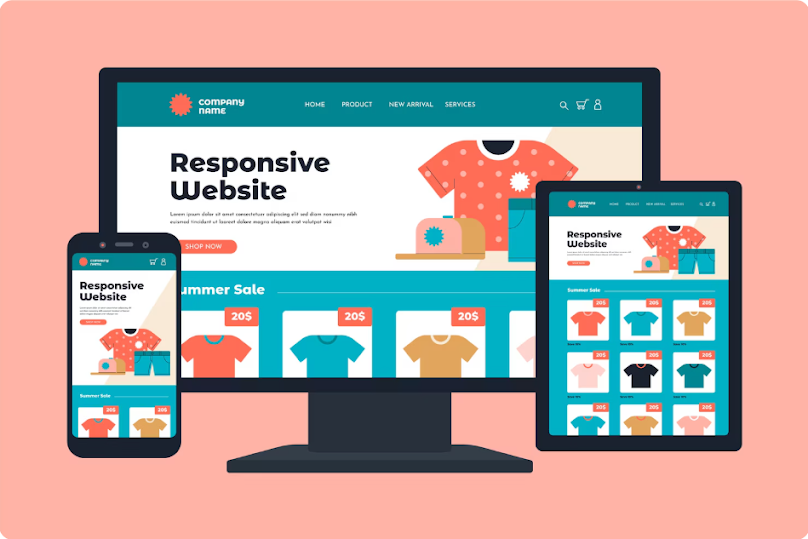
A ecommerce website design company in 2025 can not have enough money to neglect cellular first designing. With over 70% of shopping traffic coming from online retailers, consumer expectations have changed for good. The mobile user of today likes speed, smooth paths to what they want and checkout processes that are simple. Then, toss Google’s mobile-first indexing into the mix and there’s no longer an option to stay on the fence about how seriously you take mobile optimization as it relates to visibility, SEO, and conversions.When it comes to ecommerce website designing company experts and ecommerce business owners, the question isn’t if mobile-first is important but how much its influence can impact revenue growth. This post walks you through the benefits, and challenges of implementing mobile-first design in ecommerce website development as well as provides you with an action plan that you can execute to leverage it for increasing conversions i 2025. We will also explore some real world case studies, industry trends, and specific KPIs that can be measured to ensure mobile-first is more than just a fad.

1. Faster Page Loads Reduce Bounce and Boost Engagement
Mobile-first design is thoughtful about optimized code, smaller images and leaner application layer so sites load quickly. 1-second mobile load speed delay costs can reduce conversions by 7%, according to studies. Shoppers are not patient; they do move fast to a rival. In fact, according to Google Studies, as the load time goes from 1 second to 5 seconds, the probability of bounce increases by 90%. You can no longer choose whether to optimise for speed - it is now directly associated with your income.
Benefits
- Enhances FWV (LCP, CLS, FID) and SEO ranking as well.
- Maintains user engagement by decreasing friction during navigation.
- Raises AOV and Time on Site. Product recommendations for search, category pages, and etc.
- Powerful way to decrease bounce rates, ultimately your ROI.
Common Mistakes
- Covering mobile sites with animations and videos that would better suit desktop.
- Going for image optimization for mobile devices.
- Having too many plugins that may reduce mobile speed.
KPI to Track
- Bounce rate and average load time (less than 3 seconds on 4G).
- Track how quickly server is serving up pages & time to first byte (TTFB).
2. Simplified Navigation Enhances User Journey
Mobile has limited screen space. A mobile-first approach keeps things clean and shows only what counts: search, categories, call to action. The easier it is to navigate, the simpler it is for shoppers to discover products–and this means more conversions. Hidden behind that veil of complexity, customers get frustrated and leave the site.
Features/Highlights
- Sticky menus and search bars.
- Hamburger to Bottom nav for easy thumb reach.
- Clear product categorization and filters.
- Fixed buttons location in cart and wishlist.
Example
- A fashion Google ads agency brand saw 22% higher conversions when they added sticky CTAs for mobile users and re-designed their product filters. Product discovery time went down 35% too the team also found, showing that navigation affects not only how happy users are but how convertable your visitors become.
Quick Checklist
- Make sure all touch targets (buttons and links) are at least 44px wide.
- Maintain navigation steps within three taps to key products.
- Utilize product and category page breadcrumbs to assist with navigation.
3. Optimized Mobile Checkout Reduces Cart Abandonment
Mobile often sees the highest cart abandonment rate — and that’s frequently over 80%. Mobile-first tech streamlines checkout forms, enables one-click payments and maintains visibility on pricing and delivery. People don’t like hidden fees and long forms; they want convenience and transparency.
Benefits
- Higher checkout completion rates.
- Less desertion as a result of less friction.
- More trust when “pay by mobile” wallets (Apple Pay, Google Pay) are available.
- It’s that simple: faster checkouts lead to more repeat purchases.
Tools/Resources
- Must-have integrations are Shopify’s Shop Pay, Stripe Checkout and PayPal One-Touch.
- Inline autofill support through browser and payment APIs.
- Safe transaction fraud protection measures.
KPI to Track
- Cart abandonment rate prior to vs. after mobile-first checkout improvement.
- Gauge the drop-off rate in any stage of checkout funnel.
4. Improved SEO Rankings with Mobile-First Indexing
With Google ranking sites according to mobile-first indexing, if an digital marketing company store has a bad mobile website offering, they risk not being visible. Google uses your mobile site as the “primary” one, so ignoring it will have a direct effect on rankings.
Steps to Apply
- Make certain across the mobile and desktop that you balance your content equally.
- Mobile page metadata, alt tags, and structured data optimization.
- Test using Google’s Mobile-Friendly Test and PageSpeed Insights.
- Use responsive design instead of m-dot subdomains.
Pros
- Higher organic search visibility.
- A better UX leads to a lower bounce rate.
- Improving for voice search results.
Internal Link Tip
- Anchor: SEO-friendly ecommerce web design → Target page: “SEO for Ecommerce Websites.”
5. Aligns with Mobile-Driven Consumer Behavior
Most product discovery is driven by mobile devices through social media, ads and search in 2025. A mobile-first strategy will help maintain the continuity between ad CTAs and landing page experiences. Ad spend is wasted without a solid mobile landing page design.
Features/Highlights
- Social commerce integrations (Instagram Shop, TikTok Shopping).
- Mobile assistants along with speech search optimisation.
- Location-sensitive promotions that change with your location.
Example
- A skincare etailer saw a 35% boost in mobile ad ROI when it used TikTok to ensure its mobile ads were telling the same story as its mobile-first landing page Website designing company. Bounce rates from ad clicks fell 28%, demonstrating that an integrated mobile-first strategy makes advertising more effective.
KPI to Track
- Conversion on mobile through social campaigns.
- Mobile CPA vs. desktop.
6. Personalization and AI in Mobile-First Ecommerce
When mobile-optimized, AI-driven personalization is most effective. Mobile-first design means that product recommendations, tailored offers and chatbot support available at customer’s fingertips. The deeper engagement lets sellers sell more.
Benefits
- Improved upselling and cross-selling opportunities.
- Improved end-customer experience with real time assistance.
- AI chatbots reduce the time to resolution of a query.
Tools
- Dynamic Yield, Clerk. io, and Drift for A.I.-based personalization.
- There are also push notification tools for mobile to help you easily target your promotions.
Mistakes to Avoid
- Mob stuff on mobile: recommendation widgets out of control.
- Intrusive chatbots that hide the product.
7. Accessibility and Inclusivity in Mobile Design
An online shopping Performance marketing should keep it in mind that its portal is accessible to all types of users, including the disabled. From a mobile-first design aspect we have to consider contrast, font size and voice navigation. Inclusivity is more than compliance—it helps you grow your audience and increases customer loyalty.
Steps to Apply
- Ensure WCAG 2.2 compliance.
- Use larger, legible fonts.
- Use alt text and ARIA labels.
- Test screen reader compatibility.
Benefits
- Reaches customers from all walks of life.
- Increased brand trust and meet accessibility regulations.
- Reduces lawsuits and compliance risks.
KPI to Track
- As a score of 503 was derived from this DIC page and other user testings, the feedback to USRR-test-.109 can be accepted.
- Monitor the engagement in various customer segments of people with disabilities.
8. Data-Backed Decisions with Mobile Analytics
Businesses can more easily monitor the user experience including journey tracking, scroll depth and tap heatmaps; through mobile-first design. Analysis reveals which pain points you have in your customer overview and can be optimized accordingly.
Tools
- Hotjar, Crazy Egg and GA4 for mobile tracking of behavior.
- FullStory to record real sessions of users.
Benefits
- Reveals buyer journey points of friction.
- Facilitates A/B testing for design, CTAs and placement of products.
- Enhances decision-making using actual behavior data.
Example
- One retailer saw mobile conversions increase by 18% after heatmaps indicated users had trouble with non-sticky CTAs. After the redesign, engagement on product pages soared.
9. Challenges of Mobile-First Ecommerce Website Designing
THE GOOD Though the benefits are obvious, challenges still persist. Companies will need to be ready for mobile-first design.
Cons
- More QA testing on various devices and OS versions.
- Potential over-simplification of desktop UX.
- Larger design and development costs at the outset.
- Need to continue monitoring as devices are being updated rapidly.
Common Mistakes
- Ignoring content parity.
- Based on annoying mobile pop ups that hurt UX and SEO.
- Using only desktop testing and not checking mobile usage.
- Mobile-First Ecommerce Future Trends (2025 onwards)
- The evolution continues. Mobile-first isn't fixed, it evolves with technological innovations and consumer dynamics.
Features/Highlights
- AR shopping experiences for mobile cameras.
- 5G-driven instant load times.
Conclusion
But for digital marketers and ecommerce store owners, mobile-first design in 2025 isn’t just a design trend—it’s a conversion strategy. An ecommerce website designing company that focuses on speed, easy-of-use navigation, mobile friendly checkout process, user personalization and accessibility will leave rivals behind in visibility as well sales. Those that fail to adopt a mobile-first approach will lose market share to those that can continue to disrupt, and meet the customer where they shop: on mobile.It’s clear what the future holds: mobile-first is not about adapting desktop websites to smaller displays. It’s about creating fast, intuitive, and trusted ecommerce experiences on people’s screen they look at the most. The faster an enterprise can adopt technology as a business process differentiator and competitive advantage, the better.
FAQs
1. Why is mobile-first design critical for ecommerce websites in 2025?
As the majority of online shoppers employ smartphones, mobile-first design helps to guarantee speed, usability and SEO visibility. This also stands as a proven method for increased conversions.
2. What are common mistakes in mobile-first ecommerce design?
Designing with a mobile-first approach is essential in 2025, but many ecommerce sites still run into avoidable issues. Some of the most common mistakes include.
GET IN TOUCH
Our Address: 203, Gupta Arcade, Shreshtha Vihar, Delhi-110092, India
Mail us at:info@nurotech.in
Call us at: +91 9659 634 634
Find detailed information about this at:https://nurotech.in/
Stay connected with us! Follow us on our social media channels for the latest information & updates.